The Root of Dharma – Samye Dzong Dublin
6th + 7th of September 2014
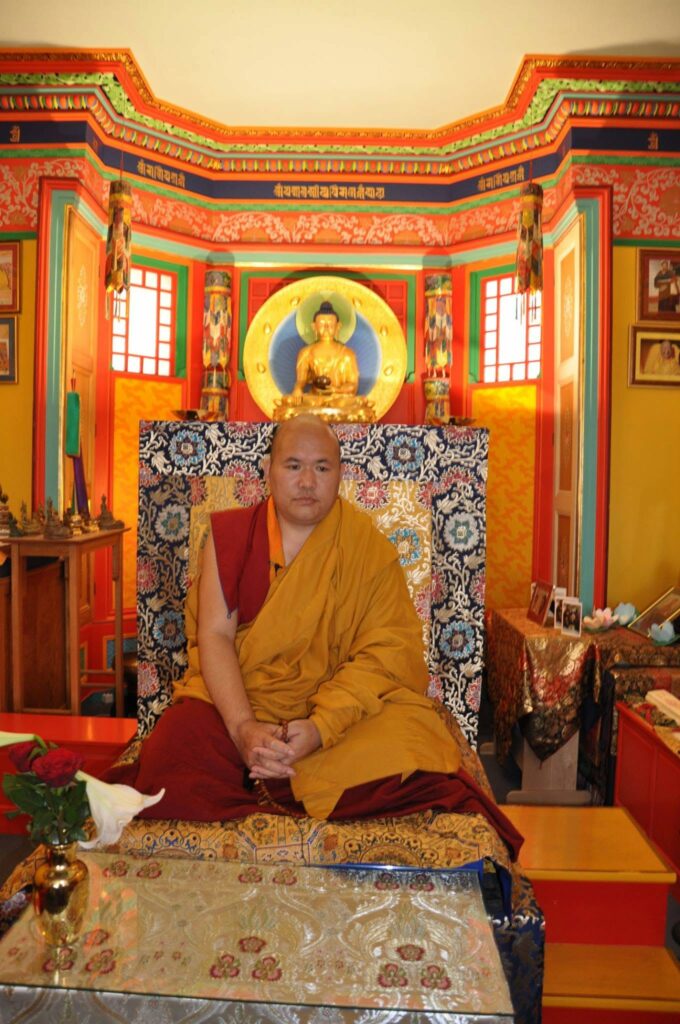
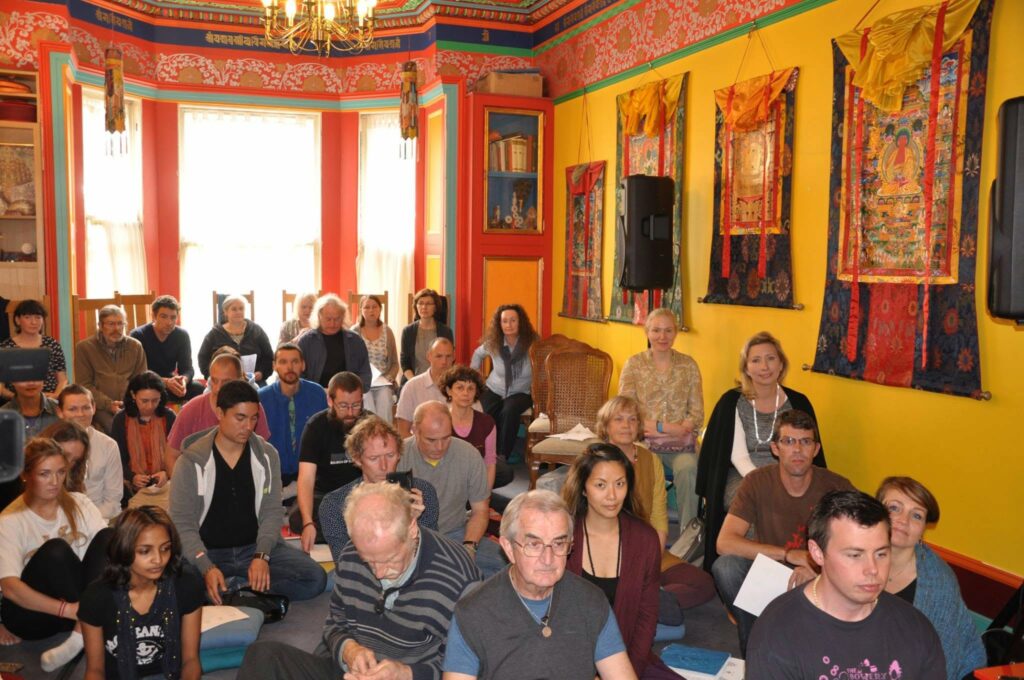
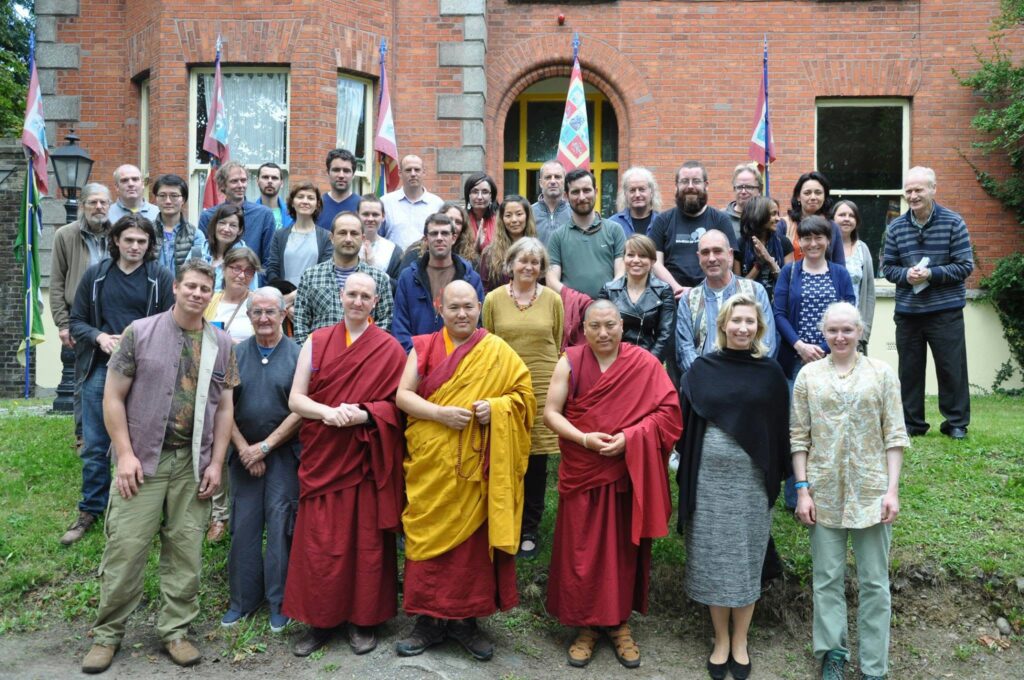
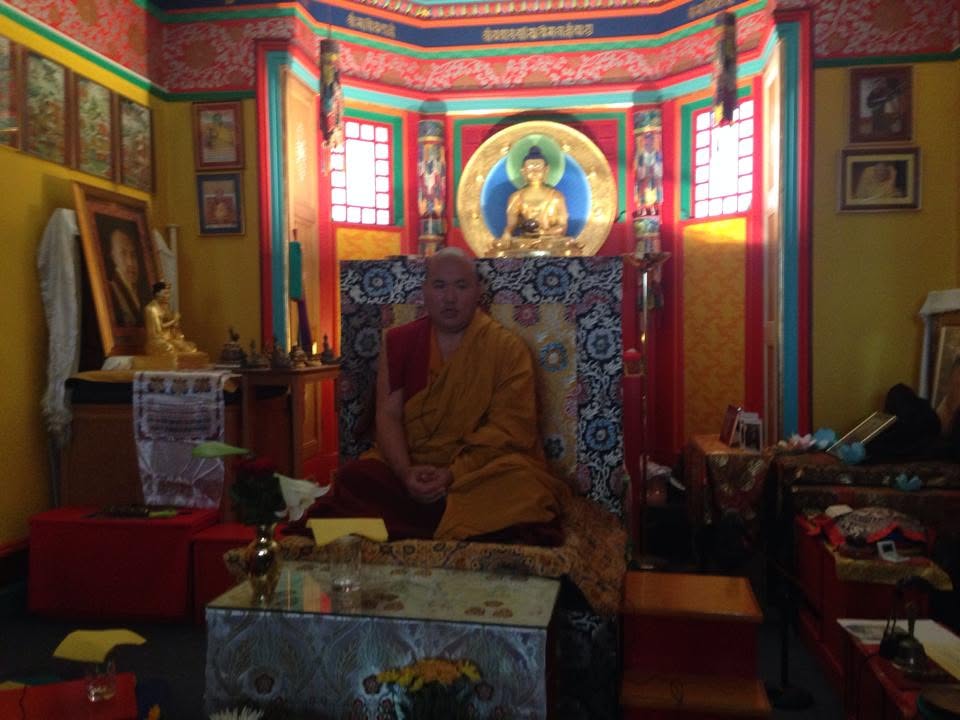
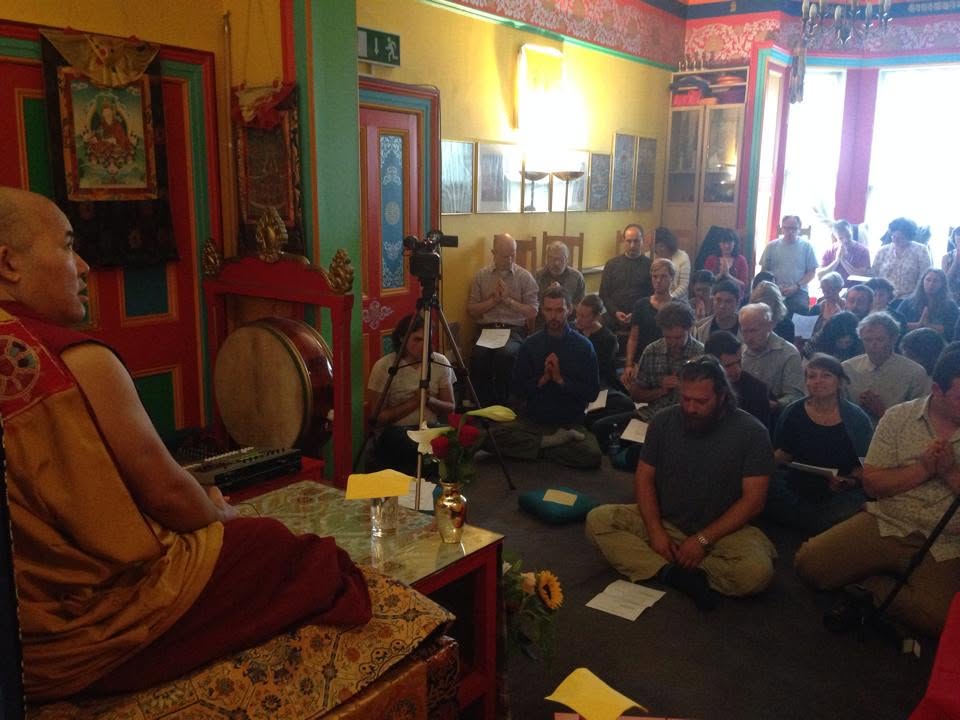
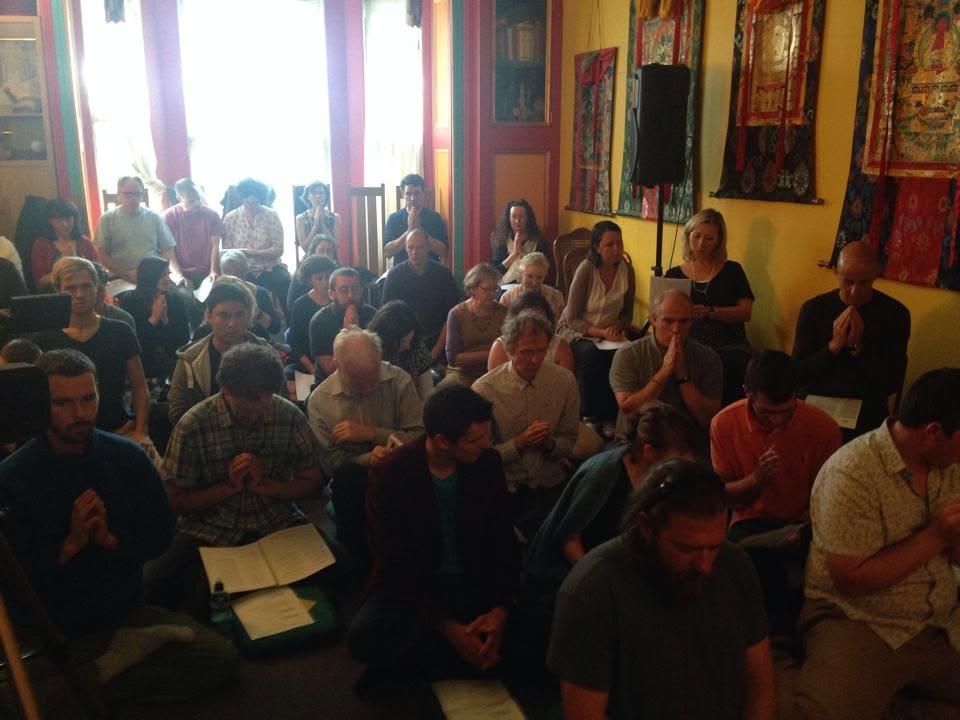
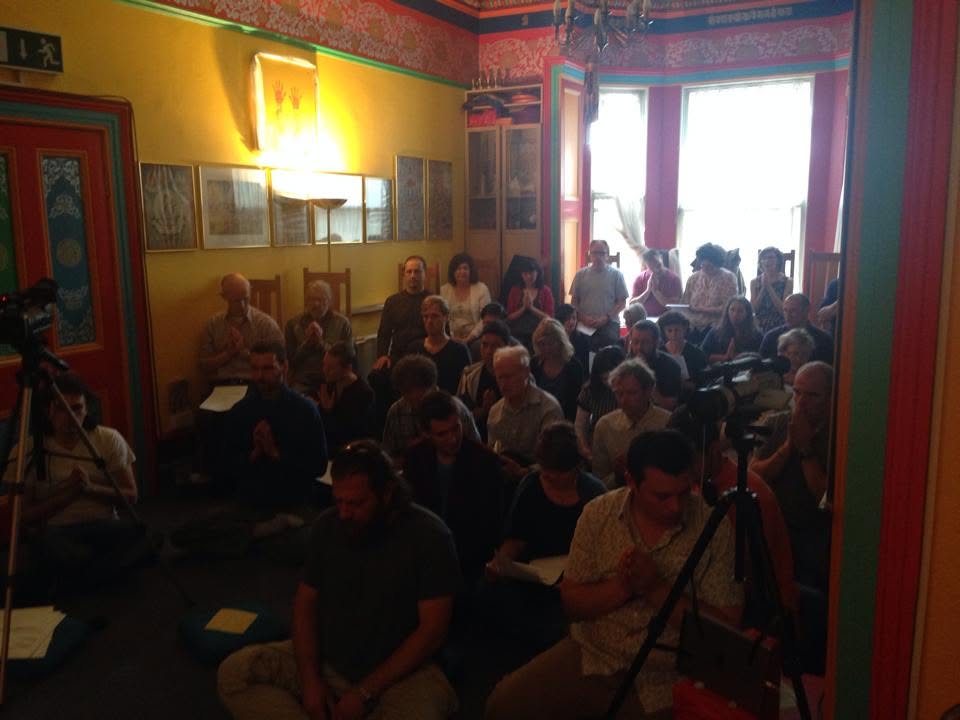
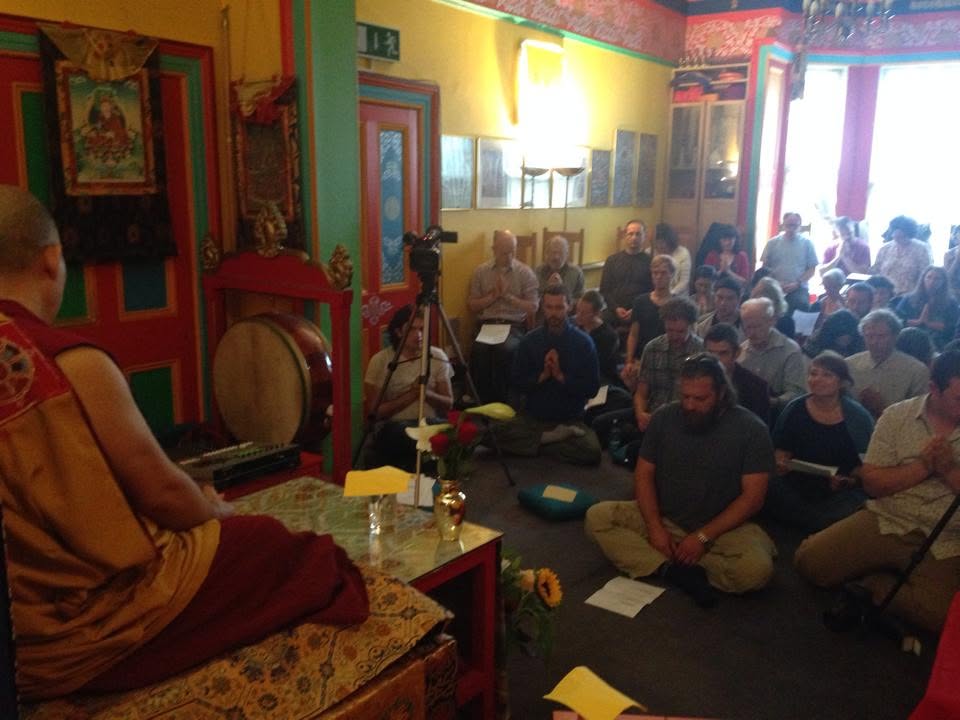
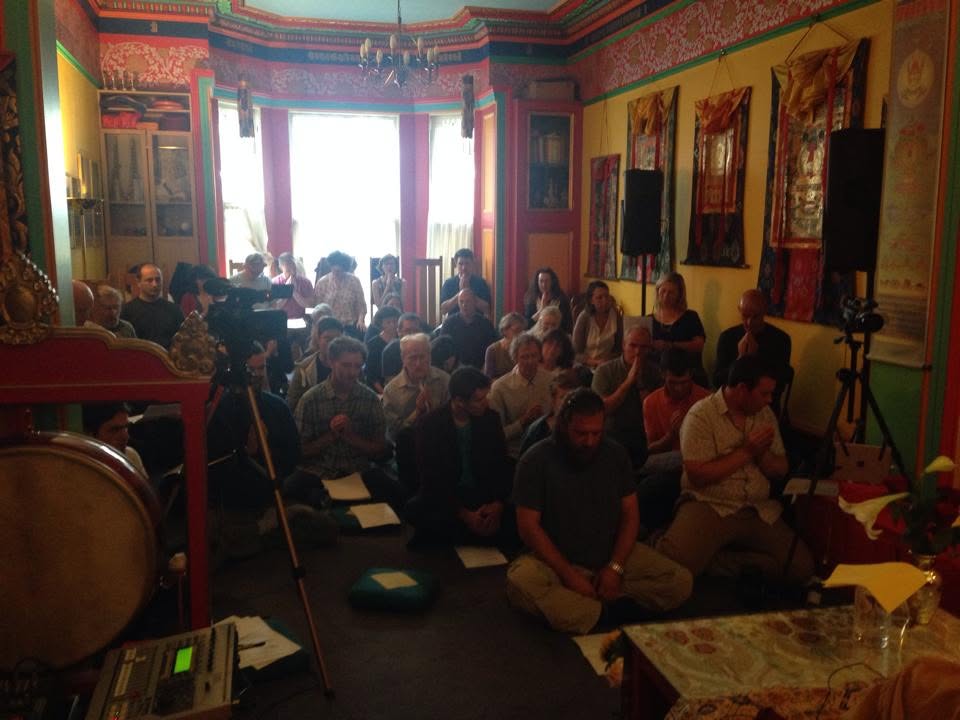
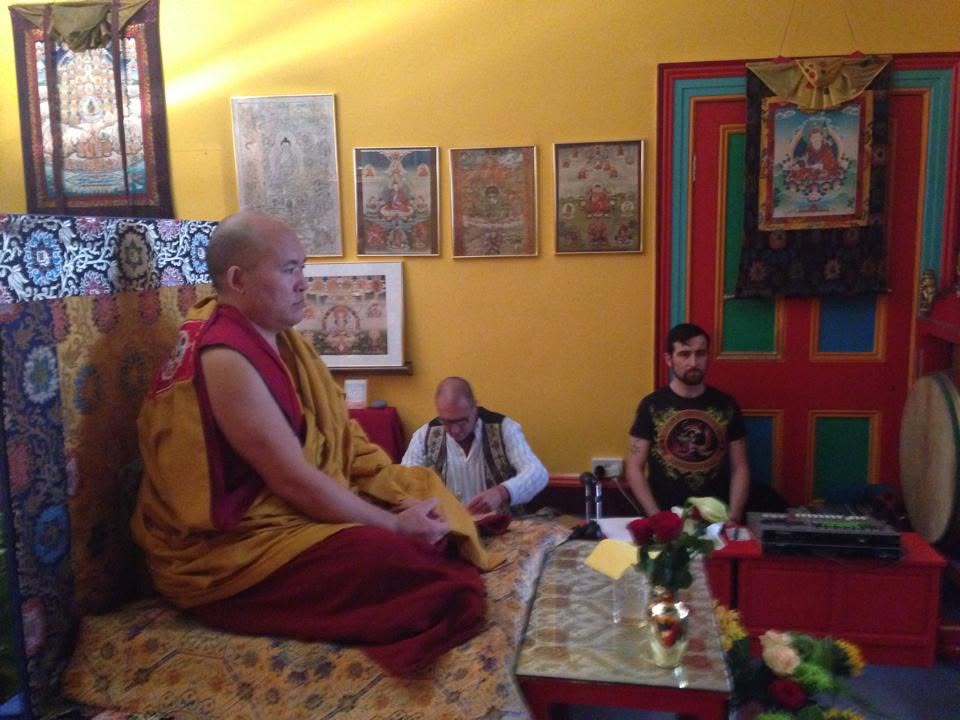
Drupon Rinpoche was invited to teach in Samye Dzong Dublin in Ireland and accordingly spent the weekend there giving Dharma teachings.
The topic for the teaching was entitled “The Root of Dharma”. Regarding this Rinpoche explained: “As there are many different levels of Dharma there are different ways of identifying the root of Dharma. However, in general we can say there are two areas to look at: the root of Dharma for an individual and the root of Dharma in terms of the Dharma itself.”
In explaining the root of Dharma for an individual Rinpoche taught this to be study: to learn the Dharma. He quoted Gampopa to back this up: “Beginners should persevere in study and contemplation.” He explained how in order to be able to practise the Dharma there has to be some understanding about what it is and the way we gain that understanding is by utilising our intelligence and powers of logical deduction to examine what the Buddha taught. He taught that there is another way of study – which is the particular style of study for Kagyupas – where one relies on a lama with meditative experience and learns the way of studying one’s own mind and thought, but this tradition is on the brink of being lost.
In neither approach to study is there, “This is how it is: having faith in it is enough”.
In the question and answer sessions people asked how to go about learning the Dharma if one does not have the opportunity to go to a shedra or stay with a Lama and receive constant training. Rinpoche replied that the next best is to read the texts by ourself, but not as we usually read books; we should read a single paragraph again and again and contemplate the meaning of it again and again before moving on to the next. He also taught that we should be selective regarding which texts we read, if we are really reading to learn the Dharma. He advised that we read the treatises of the Indian Panditas or of those Tibetan masters from long ago and that we should not pay too much attention to which lineage they belonged to because Dharma is Dharma. Rinpoche stressed that it is most important that the texts we read be authentic Dharma and therefore we should focus on the works composed by masters who are universally accepted as genuine across all schools; like Shantideva and Gyalse Thokay to name just two.
Regarding the second way of categorising the root of Dharma, the root of the Dharma itself, Rinpoche said it is: “To abandon harming others and its basis”, as the most fundamental feature of Buddhism is non-harm.
Rinpoche quite skilfully pointed out that if we were to hear someone say that they had taken a commitment to stop harming others and to that end thay had taken a promise not to kill or steal etc we would all think that was amazing and, if it was suggested to us, we would probably be inspired to follow suit. However, if someone suggests to another to take the genyen vows (upasaka or lay Buddhist vows) people turn pale at the thought of it, even though those same vows or promises taken out of a ‘religious’ context are lauded as excellent.
Rinpoche spoke at quite some length about this commitment to give up harming others and how each of the Genyen vows are taken with that purpose in mind and how they save others and ourselves from coming to harm.
Written by Kunga – Sept 2014