The Correct Order of Dharma Study
Many people go about their study of Dharma in this way: they start by saying ‘I am doing this practice, that practice.’ Then they start examining and criticising their lamas. Then they start treating their lamas in a disrespectful manner, even using them as their own servant, wondering why the lamas are not doing as they are told. This is not the order as taught in the Dharma. What we are taught to do is: first, we have to spend time examining the lama, only when we have done this step, do we start relying on them, receiving their teachings. Then the last step is to assimilate their views and practice. Without following the correct order, many people become jaded practitioners.
If we look carefully, we will find that more often than not, the people who have least faith, who are most disrespectful, who have the worst conduct, who only know how to criticise the lamas and monastics, are the old students; those who have been around the Buddhist scene for a long time. They don’t spend their
time listening to the teachings anymore, thinking that’s for beginners.
The newcomers look up to these old hands as role models and take on their way of thinking and conduct, which don’t accord with the Dharma. And these so called long-term practitioners don’t seem to care if they make someone angry, or whether they have caused obstacles to an other’s opportunities for hearing, contemplating and meditating on the Dharma. Things which could sever the cause for liberation for someone, even making them fall into the three lower realms; there is no more serious harm than that. Even killing someone would be less harmful. Just as the Buddha taught, it is not Non-Buddhists who will destroy the Dharma, but the old Buddhists, jaded practitioners.
So what we should direct our effort to first is not ‘what practice I want to do,’ but instead, we should try to learn what is the correct conduct and put it into practice, and try to have the right motivation. Because our outer physical behaviour has an influence on our mind too. How it should be is: people who have studied Buddhism for a longer time, should be more conscientious, have more faith, apply themselves more, and continue to spend more time on hearing and practicing the Dharma. So if you consider yourself a Buddhist, a Dharma practitioner, especially those who have been around for a while, you should examine your attitude towards the lamas and the Dharma often, checking whether your conduct is in accord with the Dharma or not, how much you are actually able to put into practice. This is very important.
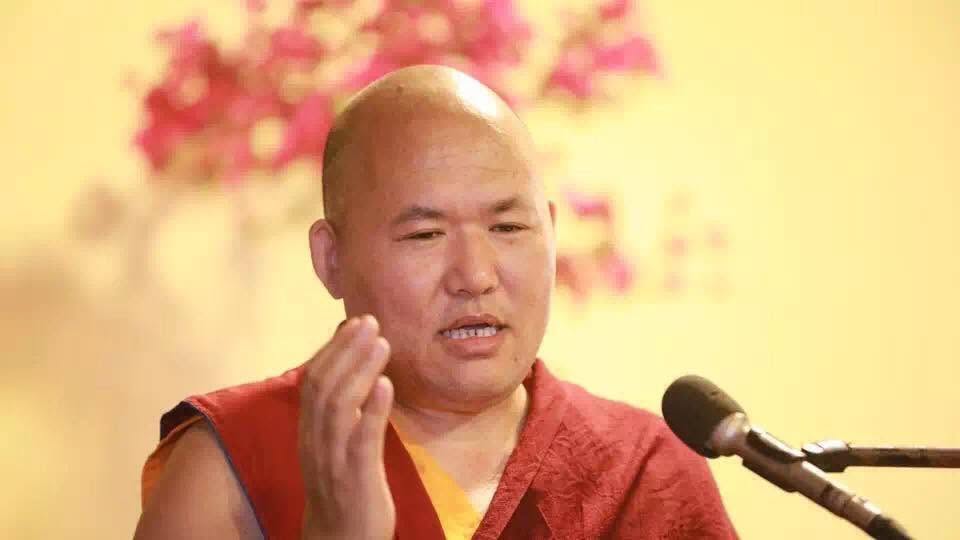
Teachings on meditation by Drupon Rinpoche at Taiwan Kagyu Buddhist Institute. 15 November 2016